
Please view this site in a desktop browser.
Mobile version coming soon...
Mobile version coming soon...
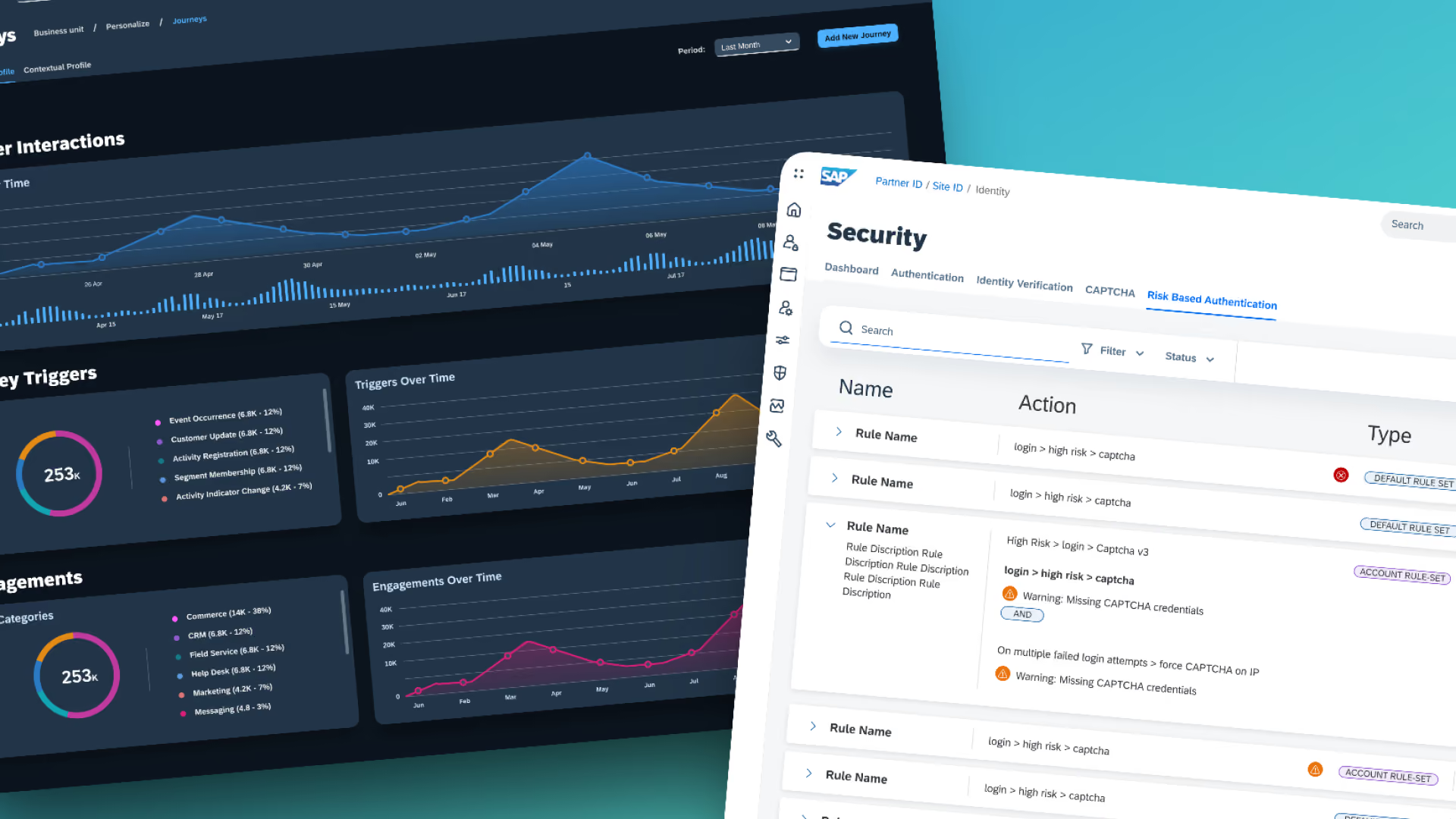
Each product initially had two to three designers acting as development support, focusing on rapid screens without discovery, research, testing, or standards.
Low UX maturity required larger teams, refined processes, and consistency. I interviewed product owners, managers, and leads to assess dynamics, find collaboration gaps, and expand design value.
I oversaw design quality and craftsmanship across two products, growing the team from six to twelve designers via internal and external hiring in UX, UI, product design, and research.
I raised standards through reviews, coaching, and hands-on leadership. I also directed the platforms’ redesign using SAP’s new design system, reimagining experiences rather than applying a superficial update.
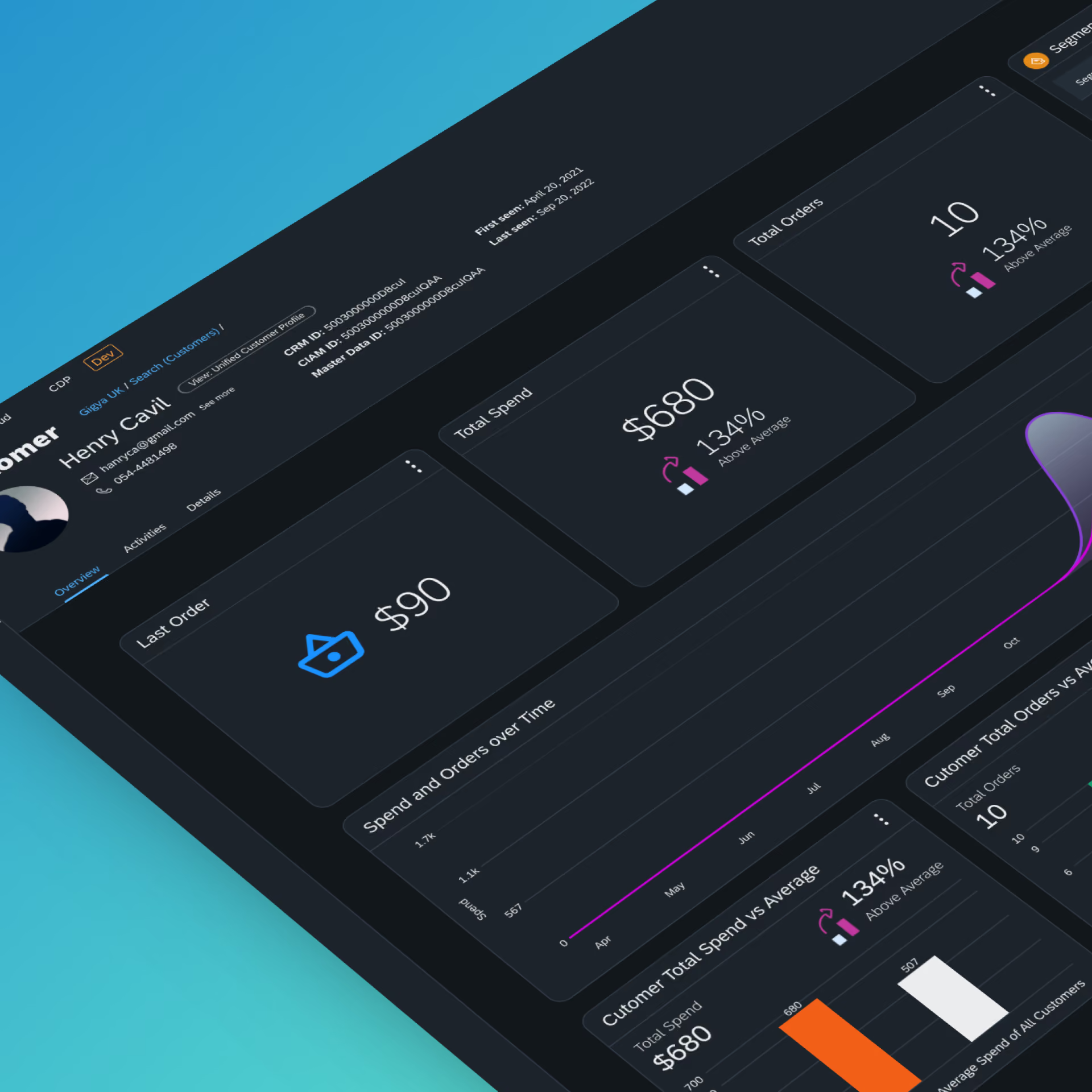
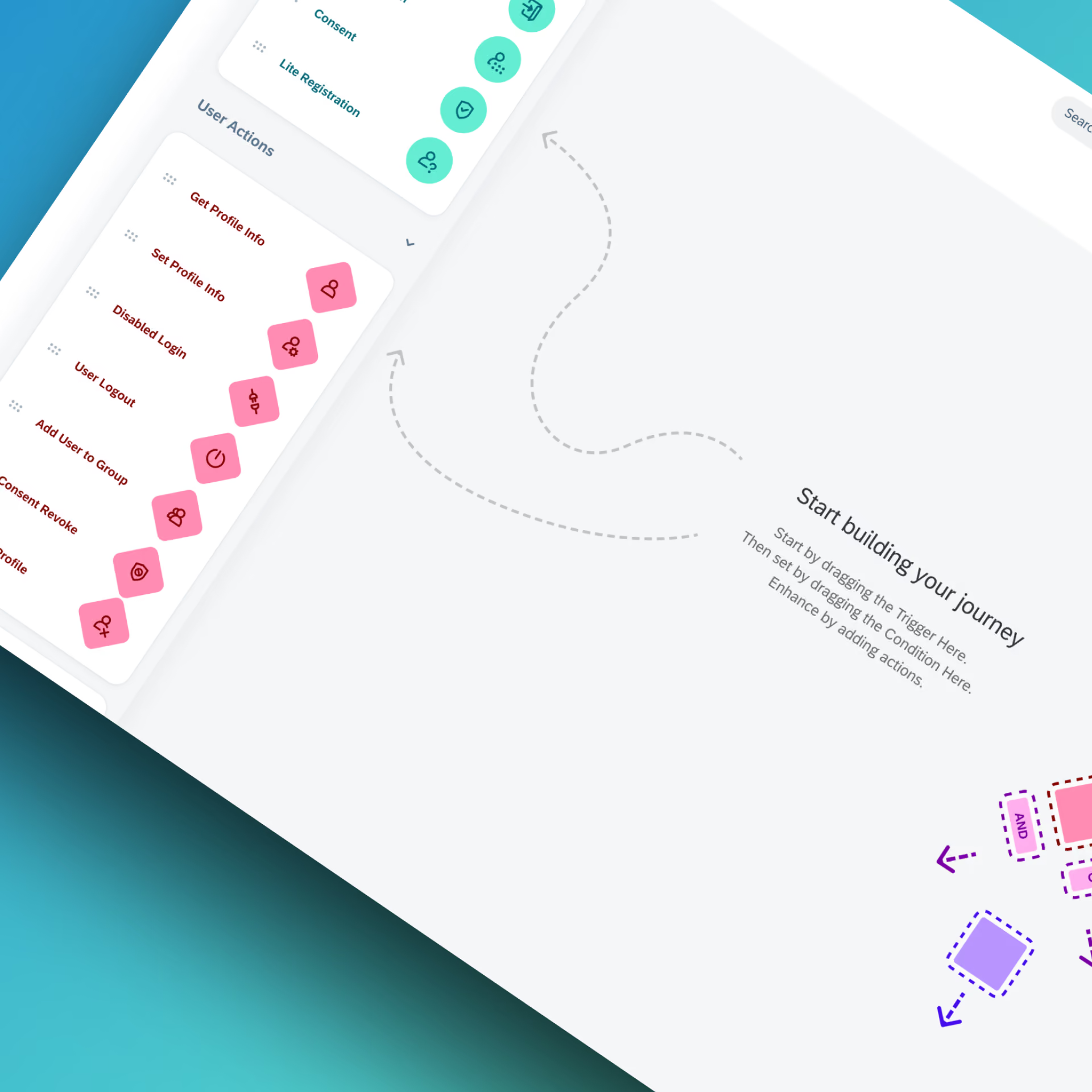
The transformation started with people and relationships: I launched regular dialogue with product and development leads, facilitated cross-functional workshops, and introduced quarterly UX Steering sessions for alignment and transparency.
We adopted a structured design process—discovery, exploration, reviews, and validation—while expanding teams to evaluate products, gather feedback, and unify experiences. Standardizing patterns and workflows across CDC and CDP improved consistency, supported by a new design system that boosted cohesion and quality.
In two years, the design team doubled from six to twelve across CDC and CDP. It shifted from ad hoc delivery to a structured process—discovery, exploration, review, validation—and raised quality through reviews, coaching, and leadership.
CDC and CDP were unified via SAP’s design system. UX became central, strengthening collaboration and laying the groundwork for mature, consistent Customer Experience products. Though research and testing need deeper integration, sustainable UX maturity is established.
