
Please view this site in a desktop browser.
Mobile version coming soon...
Mobile version coming soon...
The project aimed to define an intelligent rental experience in Tokyo by assessing technology and practical value. Discovery workshops, ideation, journey and service mapping, persona development, and value-versus-feasibility analysis launched the effort.
User research and interviews with Tokyo renters revealed expectations, behaviors, and pain points, refining opportunities and setting the MVP scope.
As Design Lead, I guided the design vision and cross-functional collaboration among designers, developers, the client, and vendors. I led end-to-end UX/UI—research, journey mapping, information architecture, flows, wireframes, and visual design, and set art direction with the client. I ensured design consistency and a cohesive experience across distributed teams in a complex ecosystem.
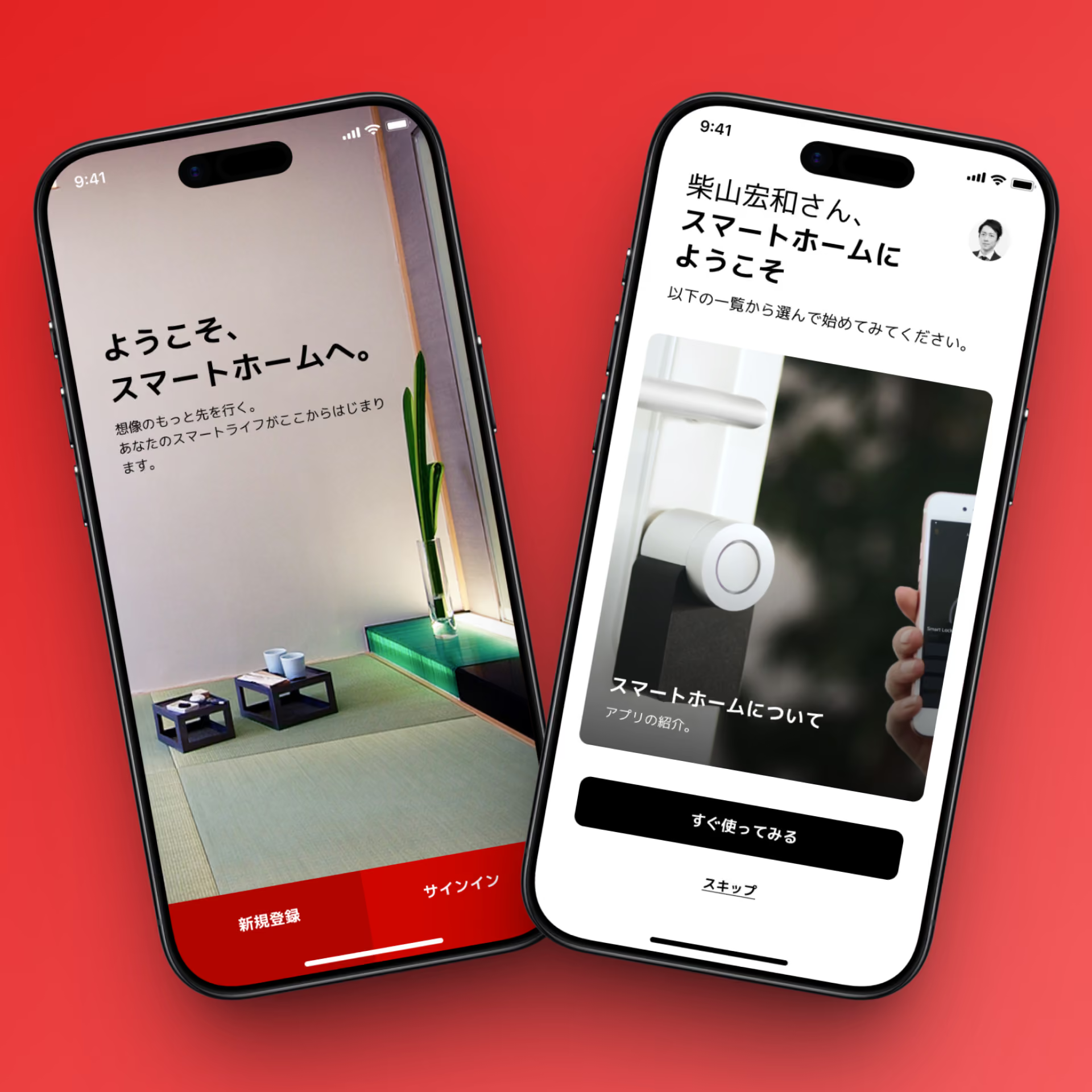
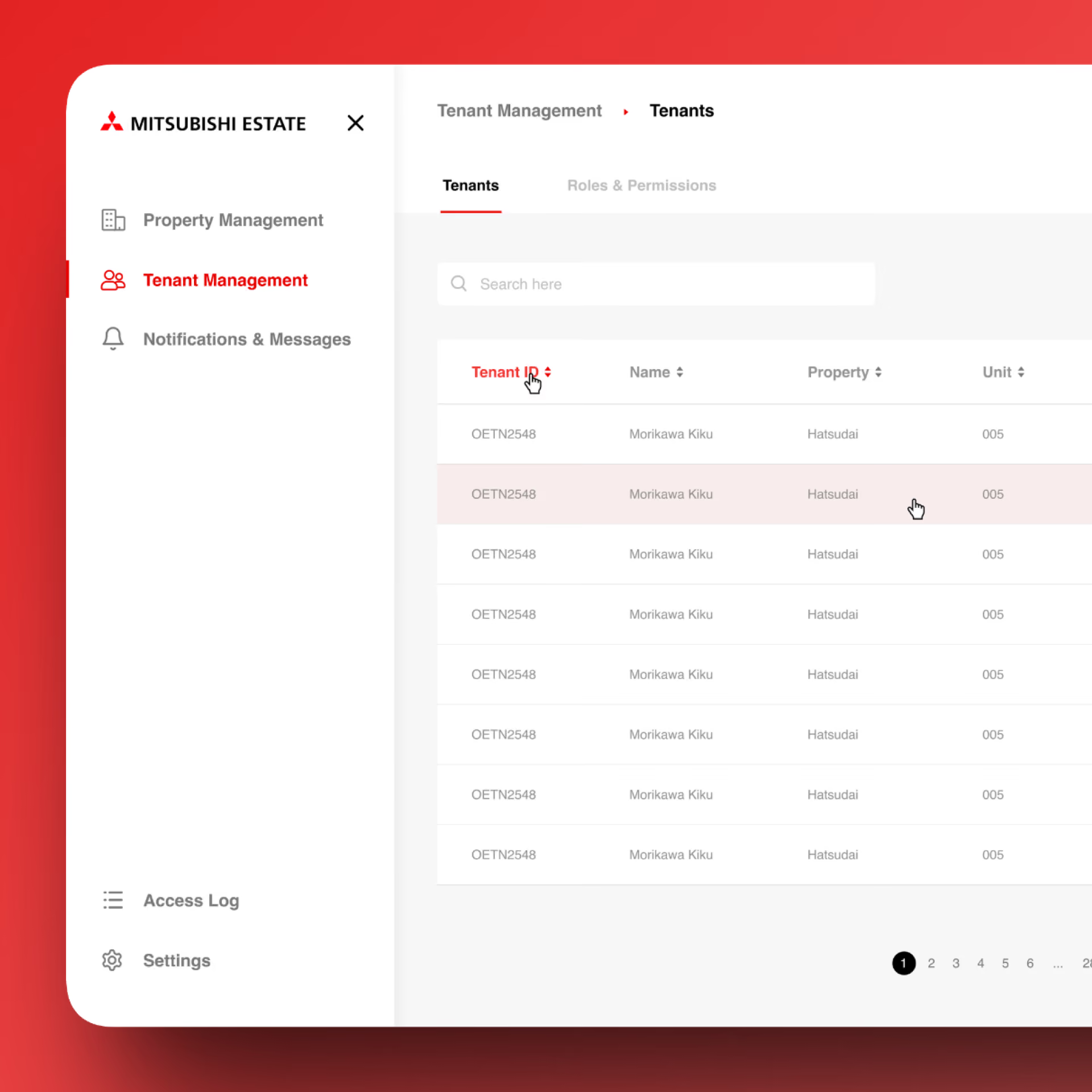
After discovery, we aligned core priorities with technical constraints from smart-device manufacturers and Yonomi. Guided by these limits, we built a minimal, scalable MVP to showcase the primary experience. We defined information architecture, mapped user flows, began wireframing, and collaborated with the client on visual direction and brand expression.
Extensive iteration and end-user testing integrated feedback, validating assumptions and ensuring solutions met real needs beyond technical limits.
The end-to-end Smart Rental MVP established core operations and resident features, enabling incremental smart services. The project taught me to design in a distributed, complex environment. Managing global resources, dispersed teams, and remote research. Success relied on collaboration, organizational support, processes, and regular meetings. It reinforced my belief: exceptional design arises from a supportive environment for collective effort, not individual effort alone.
