
Please view this site in a desktop browser.
Mobile version coming soon...
Mobile version coming soon...
The challenge was to simplify a sophisticated enterprise product while making it easier for the teams behind it to evolve.
We were working across complex workflows, accessibility requirements, international compliance, and emerging AI capabilities. All while dealing with the limitations of an existing custom design system.
I led the product design direction and design system strategy, working closely with product and engineering throughout the redesign.
I focused on product architecture, interaction patterns, visual language, and creating reusable foundations that could translate effectively into production.
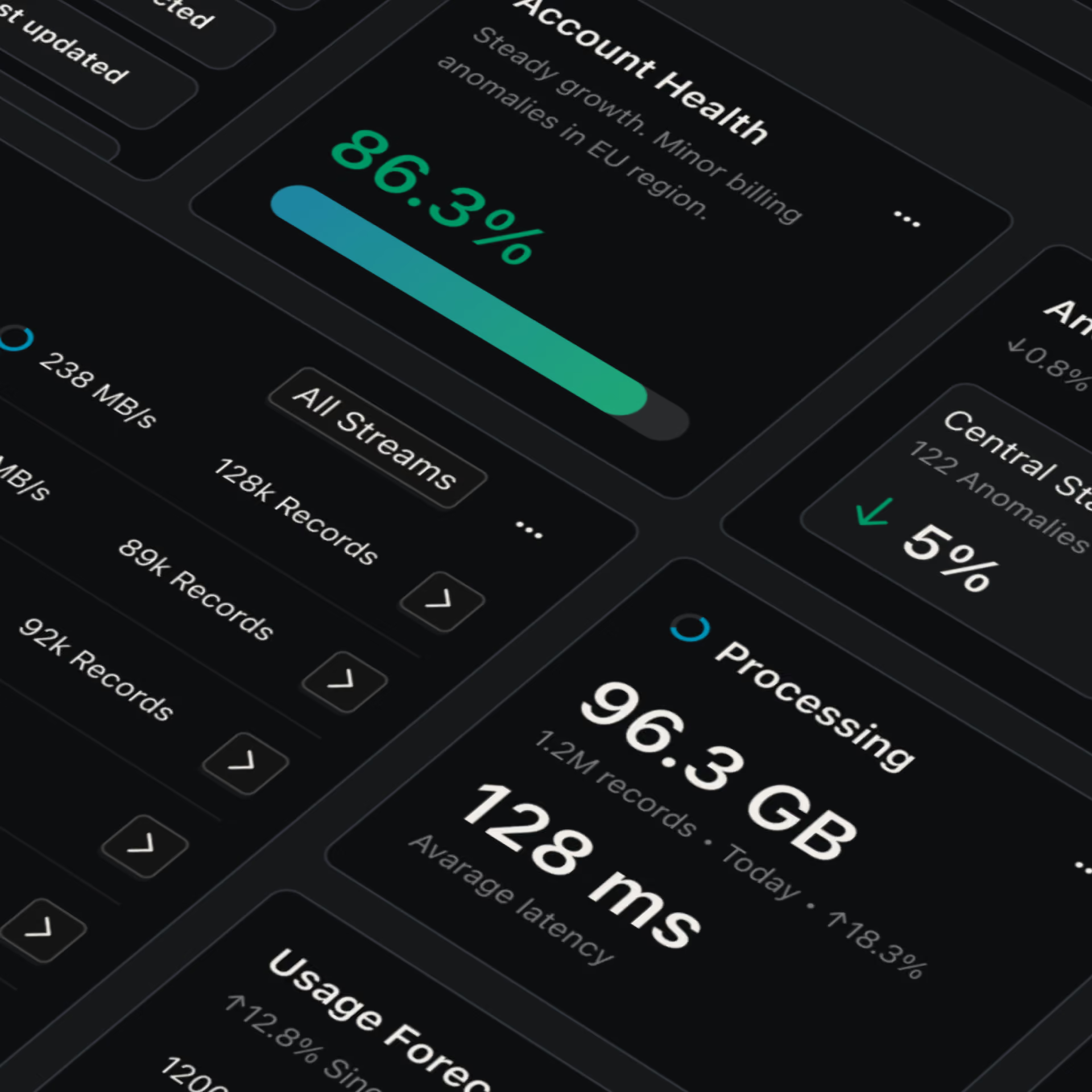
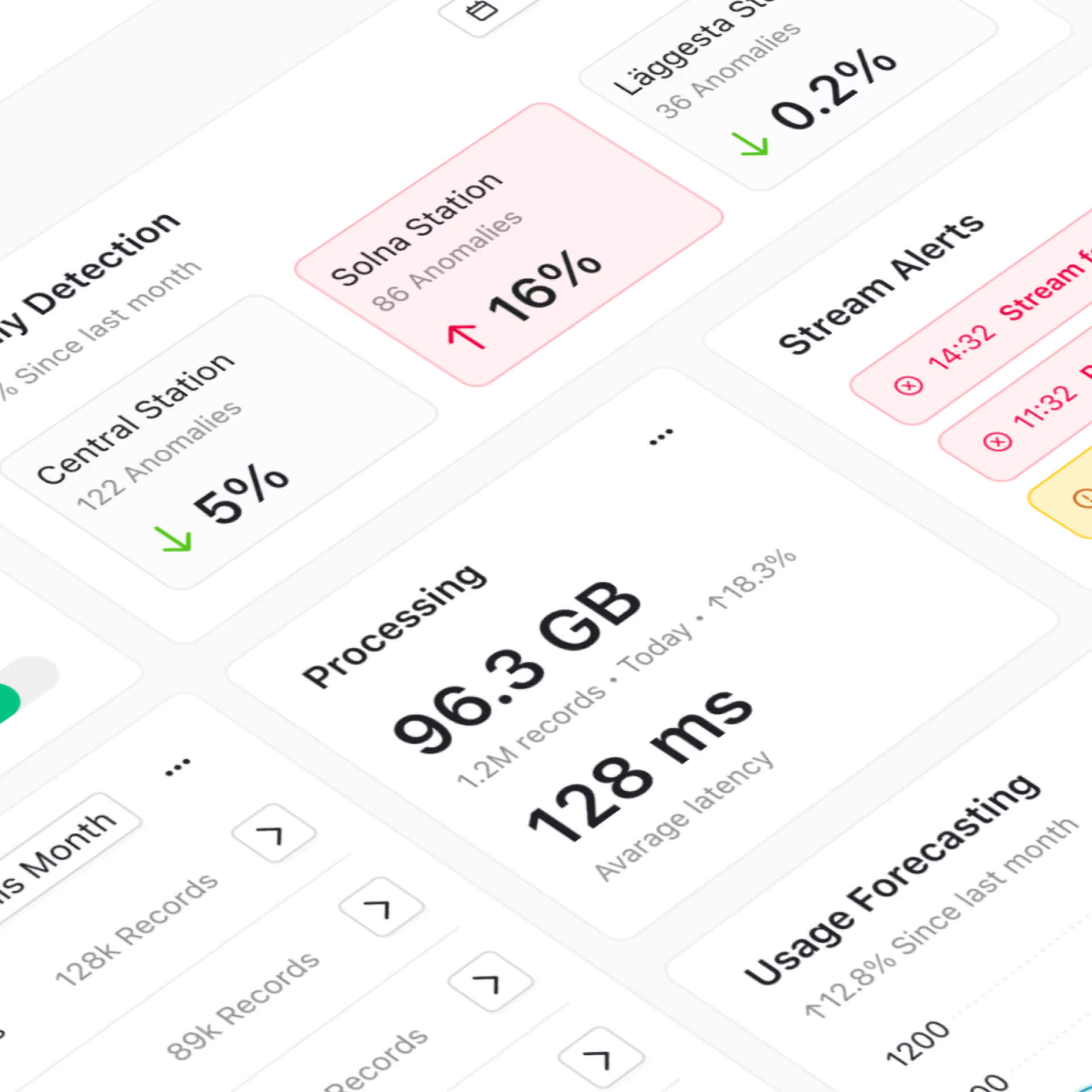
I treated the redesign as both a product experience problem and a delivery problem.
Rather than designing individual screens in isolation, I focused on creating reusable patterns and a clearer interaction language across the platform. We explored new approaches to navigation, workflows, AI interactions, and accessibility.
A key decision was to retire the custom design system and adopt shadcn/ui. This gave the team a more flexible foundation and reduced the amount of bespoke UI work required.
The work was iterative and closely connected to engineering, allowing implementation constraints to inform and improve the design along the way.
The redesigned foundation made UsageCloud faster to design, build, and evolve.
Beyond the measurable improvements, the new foundation created a more scalable and accessible product experience, while giving the team a better foundation for introducing AI capabilities and evolving the platform over time.
